

What Gets Locked In During Contract and Site Survey
The survey visit feels quick, but it fixes roof zones, conduit paths, and panel assumptions that are hard to change later. This guide lists the items worth confirming before ink dries.
Read ArticleEach article zooms into one stretch of a residential install — what you should see, what silence usually means, and when to call your coordinator.
Guides are written for readers watching from the driveway, not from the roof. No equipment pitches, no brand comparisons — just phase clarity you can use on your next installer call.
Newest first. Four articles cover early paperwork through late-stage utility and stall recovery.
The survey visit feels quick, but it fixes roof zones, conduit paths, and panel assumptions that are hard to change later. This guide lists the items worth confirming before ink dries.
Read Article
Noise, staging, and partial installs confuse homeowners who expected a single quiet morning. We walk through a typical mount day so you know what normal looks like from the ground.
Read Article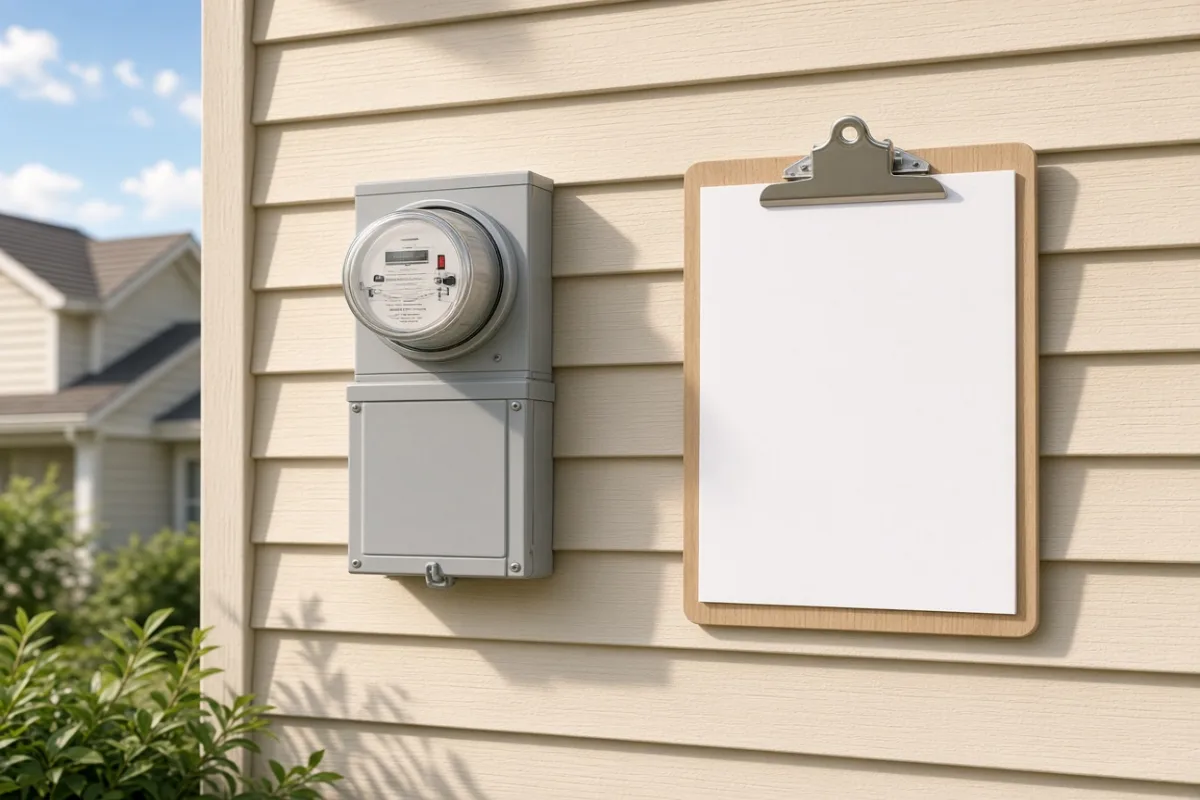
Passed inspection does not always mean live production. This piece explains meter swaps, utility sign-off, and the document that actually authorizes power-on — plus why early startup without utility sign-off creates problems.
Read Article
Weeks without a site visit feel identical whether permits are processing or a task was dropped. We separate typical quiet stretches from gaps that deserve a logged follow-up with your project coordinator.
Read ArticleDescribe the last update you received and we will match it to the right guide — plus questions worth asking before your next installer call.
Learn about our research process, editorial boundaries, and why we map installs as ten named phases instead of a single vague timeline.
Sunpath Atlas provides educational materials about residential solar install phases. Content on this site is meant to help you understand how projects typically progress and what questions to ask along the way.
We are not a solar installation company. We do not mount panels, schedule crews, or book roof work on your behalf. We do not sell solar panels, inverters, batteries, or related hardware, and we do not compare brands or models.
We do not publish cost forecasts, utility bill projections, or site-specific energy output figures. Every roof, utility territory, and household load profile differs. Incentive programs, interconnection rules, and tariff structures change — verify current requirements with your state energy office and local utility before making decisions.
Grid interconnection, work inside your electrical panel, and structural roof assessments must be handled by appropriately licensed professionals. Do not perform grid tie-in, breaker changes, or structural modifications yourself unless you hold the required credentials.
You remain responsible for choices about system size, contractor selection, and project timing. Materials here are not a substitute for on-site evaluation by qualified experts. Each home moves through phases at its own pace — do not treat another homeowner's schedule as a template for yours.
Consult licensed installers, electricians, and local authorities for decisions that affect safety, code compliance, and warranty coverage.